We’re pleased to announce the winner of the January WWWC: Margaret Crohn. Responding to the prompt ‘time and again’ Margaret’s epistolary ‘Welcome to Our Town’ chronicles one side of an explosive disagreement.
This week’s poetry spotlight shines on Aidan Coleman’s poem ‘New York’, which was included in the 2009 anthology Catch Fire: Friendly Street Poets 33, edited by Aidan Coleman and Juliet A. Paine.
It’s a stressful world and we can become overwhelmed. But at what point does sadness become depression, and stress an anxiety disorder? In Default Depression, author Anthony Smith examines the medicalisation of common human experience.
Default Depression builds a compelling case for an extensive shift in how we support people in psychological and emotional distress – away from the damaging tendency to medicalise and medicate, towards a more nuanced and evidence-based approach.
In this guest piece, Anthony writes about the Situational Approach, which reconceptualises human distress as a response to a difficult situation, rather than as an illness.
The first poetry spotlight of the year shines on Ali Whitelock’s poem ‘the difficulty with honesty in the long-term relationship & the consequences thereof’ from her latest collection A Brief Letter to the Sea About a Couple of Things.
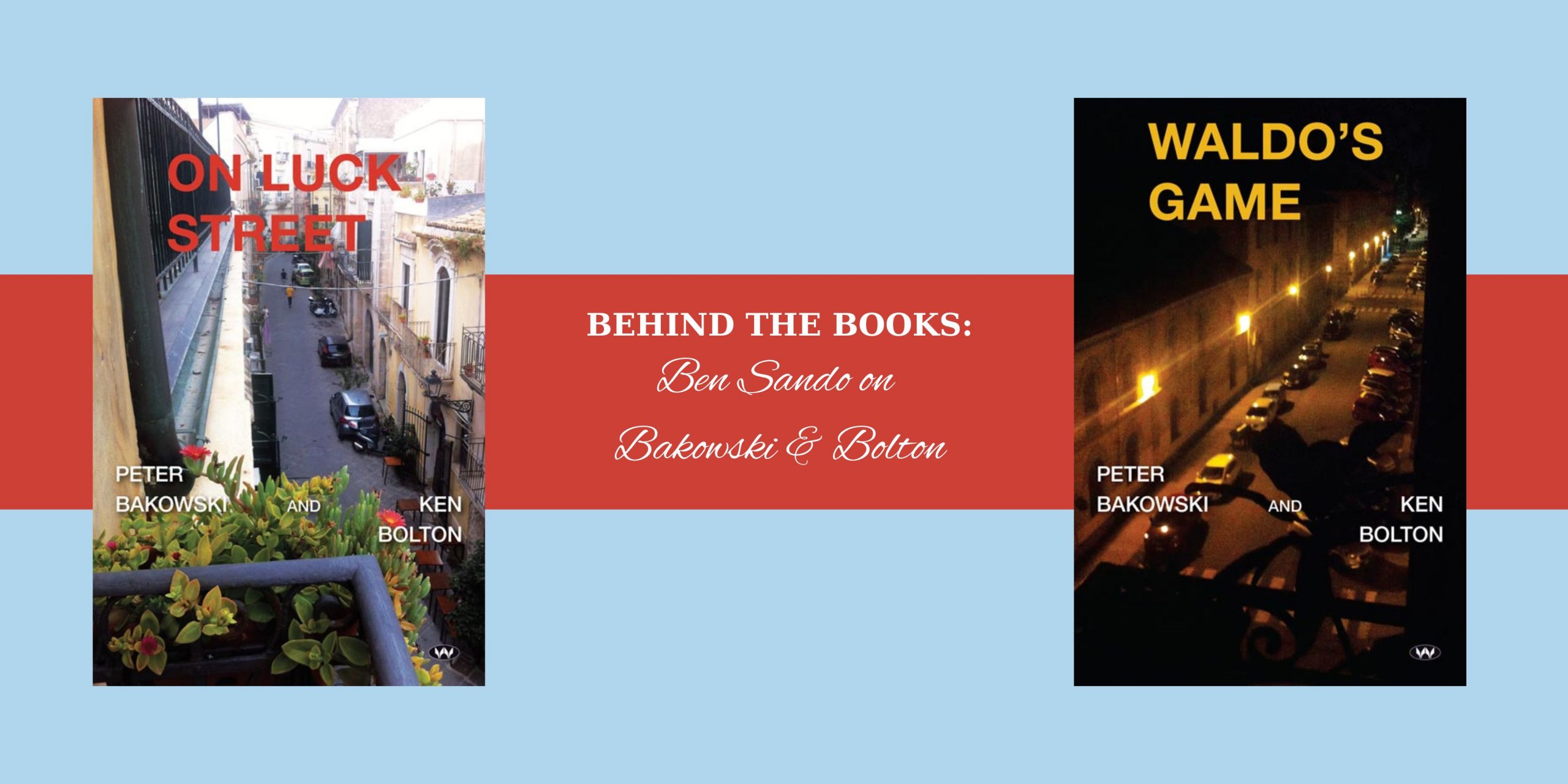
This week, guest reviewer Ben Sando gives his impressions on the combined works of Peter Bakowski and Ken Bolton, including their most recent poetry collections Waldo’s Game and On Luck Street.
Ben Sando is an exhibiting artist based in Adelaide – mostly painting, mostly abstract – but has also worked with manipulated photographic images and made performance and installation work. His critical writing has appeared in various magazines, most notably a review of the Adelaide Biennial in Art Monthly and a major article on the photography of Ian North.
‘I was spellbound by this hallucinatory excursion through the uncharted, elusive terrain between unconscious states and wide-awake reality.’ – Robyn Ravlich
Dream Tetras, a collaboration between writer Mike Ladd and artist Cathy Brooks, combines experimental essays by Mike with extraordinary images by Cathy. The essays, which are inspired by snippets of dreams Mike has remembered, embrace randomness and coincidences with waking life. Cathy’s artwork responses are extrapolations of the essays, drawing on her extensive photographic archives and combining drawing, collage, painting and photoshop.
We are pleased now to be sharing a bonus dream tetra, written after the book was published.
We’re pleased to announce the winner of the October/ November WWWC: Djuna Hallsworth! Responding to the prompt ‘on your bike’, Djuna’s story, ‘Nail Polish’, is a tale of womanhood, family, and how the ripples of trauma affect a group.
The Adelaide Art Scene: Becoming contemporary 1939–2000 is a landmark anthology of new and archival writing on the Adelaide art scene across six decades. Margot Osborne, primary author, commissioning editor and fearless project leader speaks with Wakefield Press’s fearless leader Michael Bollen about Adelaide’s art scene – its past, present, and future.
Weighing in at 740 pages, and 2.88 kg, this landmark tome ‘could be considered Adelaide contemporary art’s Rosetta Stone’, says John Neylon of InReview.
Blood on the Typewriter, Robbie Brechin’s ‘spiky, gossipy, loving and richly insightful’ biography of iconic wine writer and eccentric Philip ‘Whitey’ White, laid bare a life lived large.
Son of an Old Testament manic street preacher, Philip left home and dove headlong into bohemia when he was 17, and was in Paul Kelly’s first band, The Debutantes, among other adventures.
In this guest post, Robbie and Philip reignite their partnership, reminiscing on Philip’s life and health, and closing old wounds.